

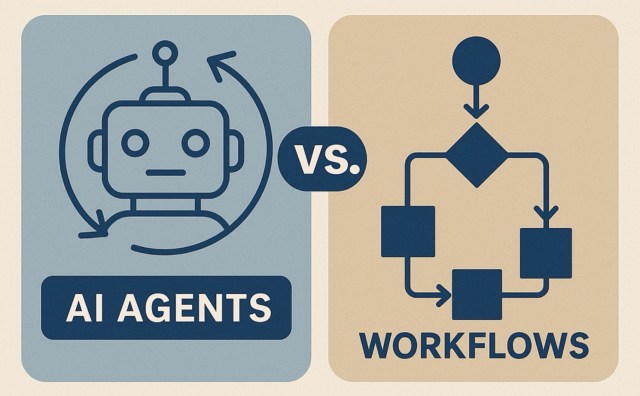
Just when you thought you had a handle on User Experience, a new frontier emerges: Agent Experience (AX). Prepare to expand your design horizons beyond human users and embrace the world of intelligent systems.
What exactly is AX? It’s the practice of designing not just for humans who directly interact with your product, but also for the AI agents that act on their behalf. Imagine intelligent systems scrolling, clicking, deciding, and acting autonomously within your digital ecosystem. This is no longer a hypothetical scenario; it’s the next evolutionary step in user experience.
This shift demands a new set of design principles. We must now consider the “personality” of an AI agent, how it communicates, its adaptive behaviors, and, crucially, how humans maintain control and trust over its actions. The goal is to create “imperceptible” AX, where AI agents operate so seamlessly in the background that users are barely aware of their presence, yet their lives are profoundly improved through automation and intelligent assistance.
Traditional UX metrics are no longer sufficient. We need to develop new methods for measuring trust, explainability, and the efficiency of agent operations. How do we ensure that AI agents are acting in the best interests of their human counterparts? How do we provide users with transparency into the decision-making processes of these agents? These are the critical questions that AX designers must address.
Some forward-thinking European companies are already recognizing the significance of this shift, rebranding their UX/UI departments as CX/AX (Customer Experience/Agent Experience) to reflect the growing importance of AI agents in mediating our digital lives. Our design work is increasingly about structuring data and content in a way that is understandable and actionable by both humans and AI, ensuring that both can thrive within the digital environment.
So, are you ready to design for the agents? 🤖

 UX In France
Respond to From UX to AX – The Rise of Agent Experience (AX)